Our Purpose
Representing community leaders, business, education, workforce, and elected officials
The Oregon Workforce Partnership (OWP) is a non-partisan, private/public, statewide association committed to providing leadership that promotes and advances Oregon’s workforce system. Our membership is comprised of the leaders of Oregon’s nine Local Workforce Boards (LWBs), and we are ready to build a comprehensive workforce system that supports better alignment of resources, increased coordination among programs, and improved efficiency and effectiveness in service delivery to all Oregonians.
Among other strategies, we will engage with stakeholders in a meaningful way to educate them about workforce priorities, challenges, resources and solutions; we will enhance local systems by pursuing coordination, resource sharing and the reduction of duplicated services; and we will inspire innovation.

Georgia Conrad
Executive Director


Heather DeSart
Chair of OWP
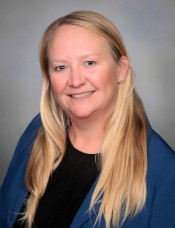

Sara Stephens
Vice Chair of OWP


Brent Balog
Treasurer of OWP
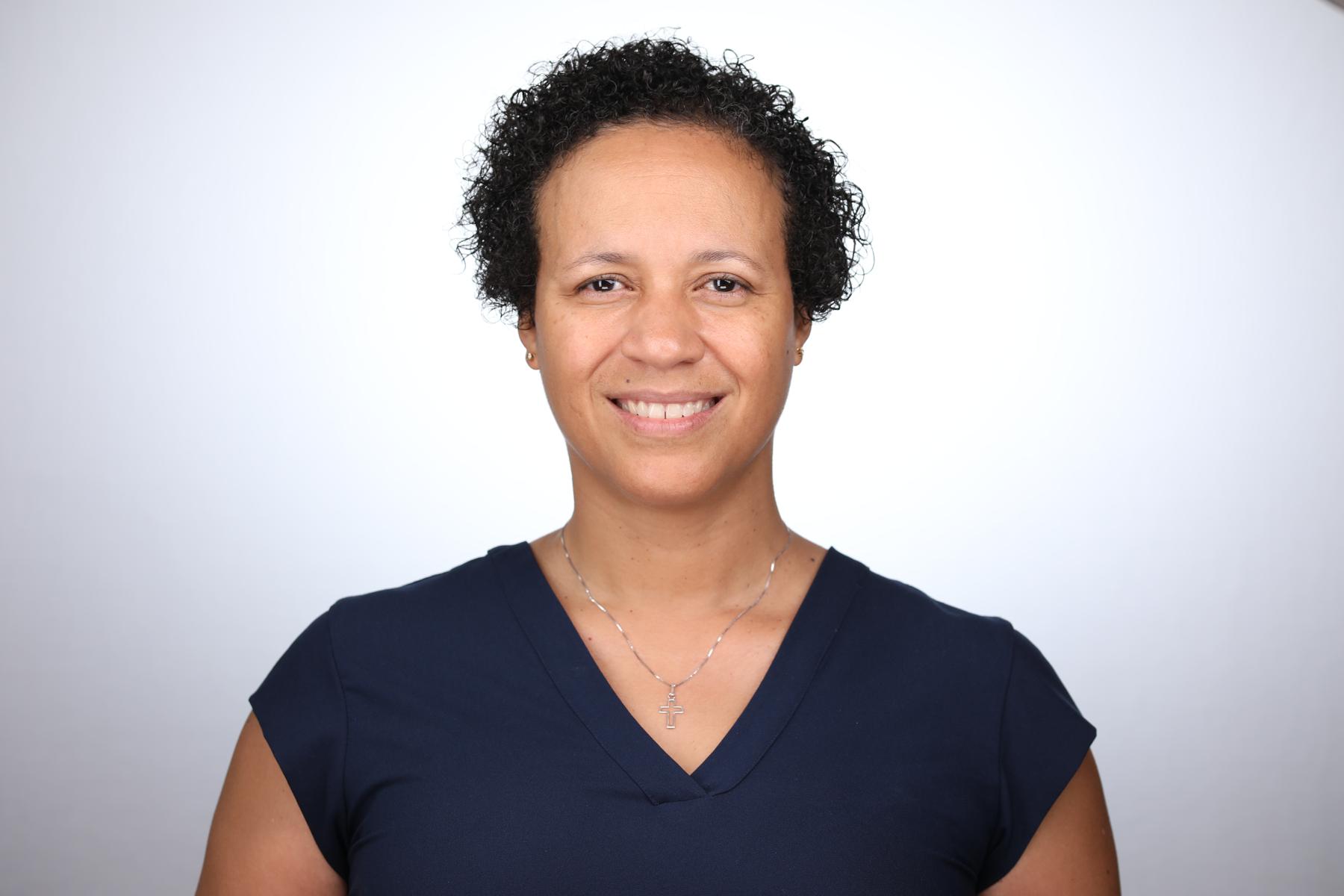
Erin Carpenter
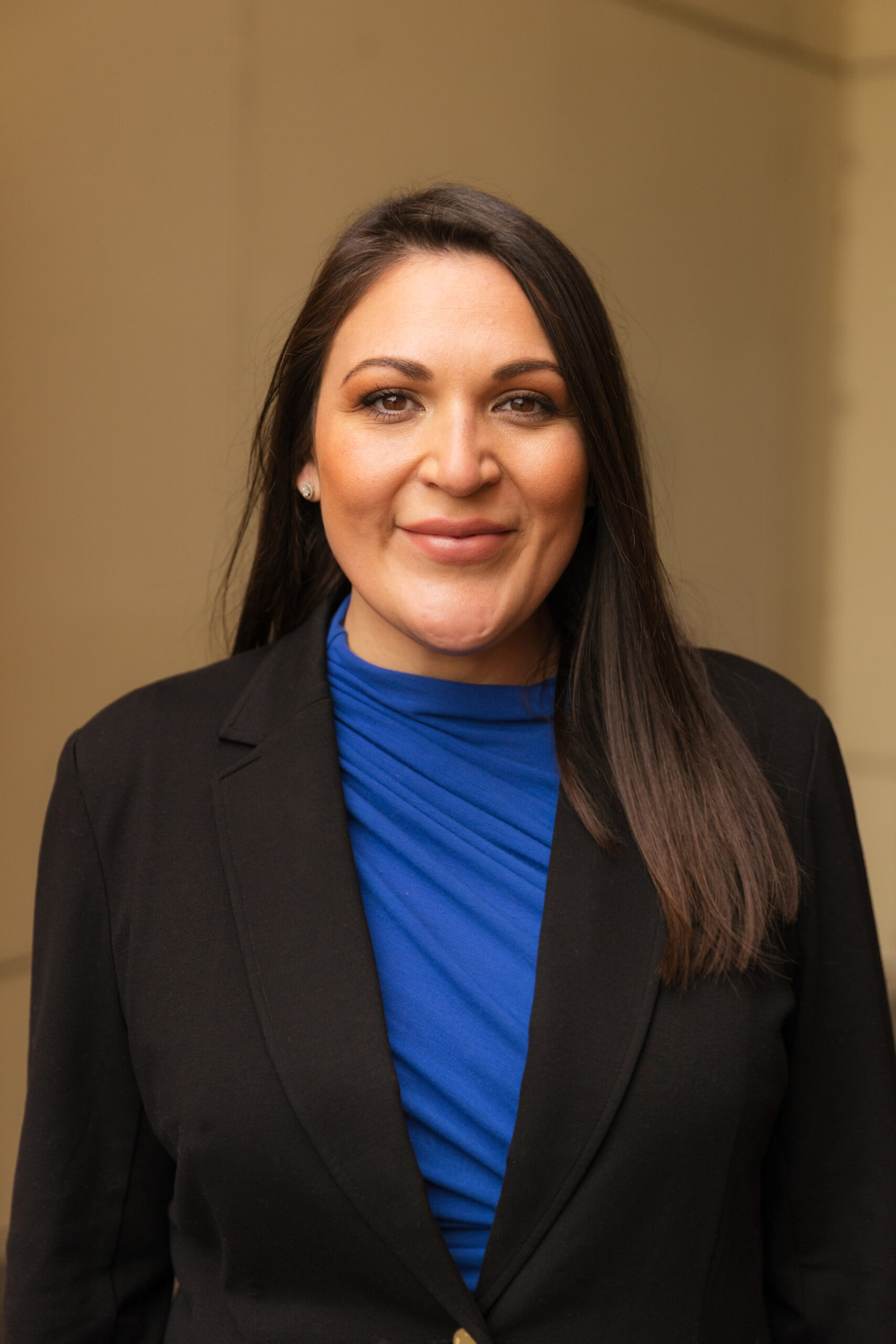

Ashley Espinoza


Heather Ficht
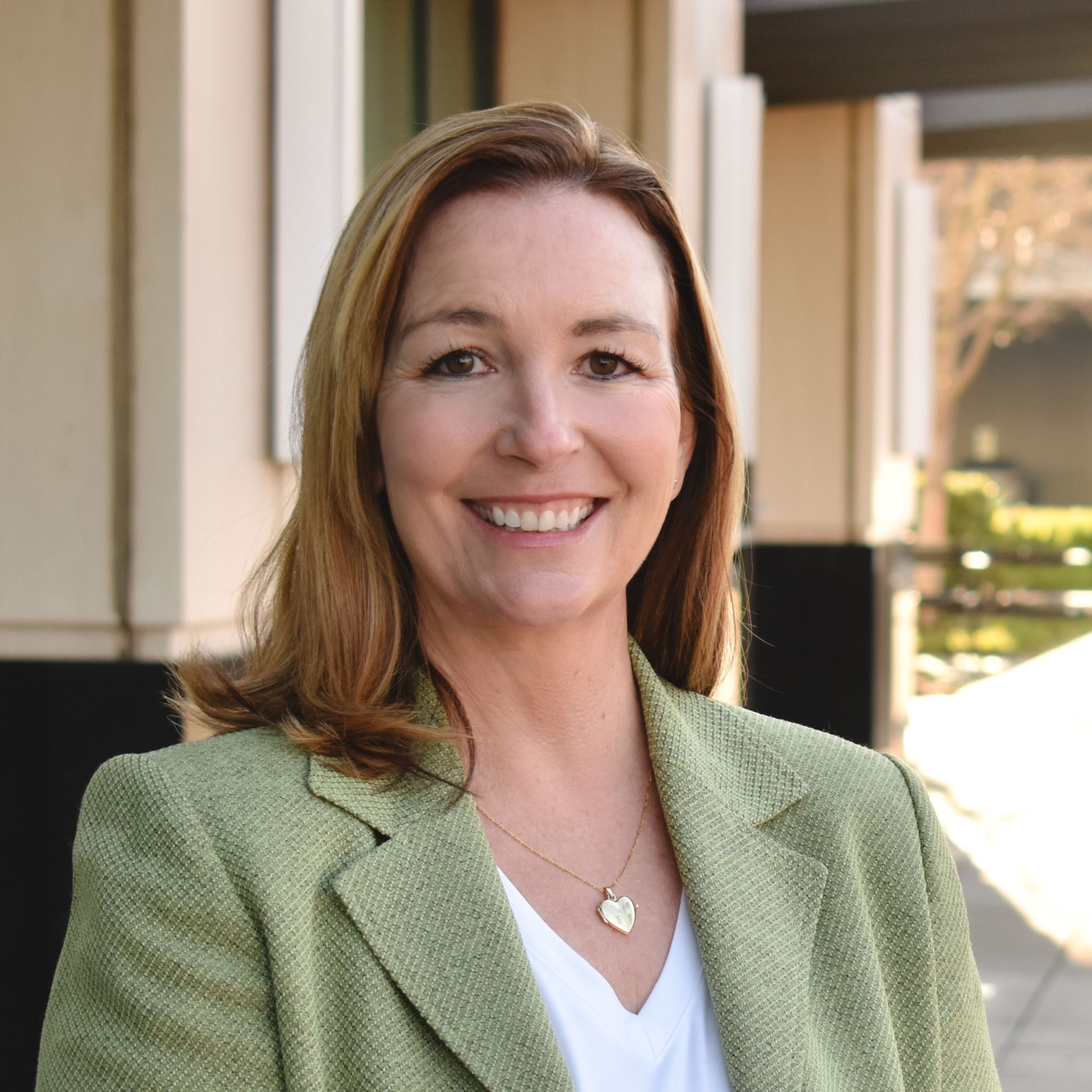

Mary Lockwood


Andrew McGough
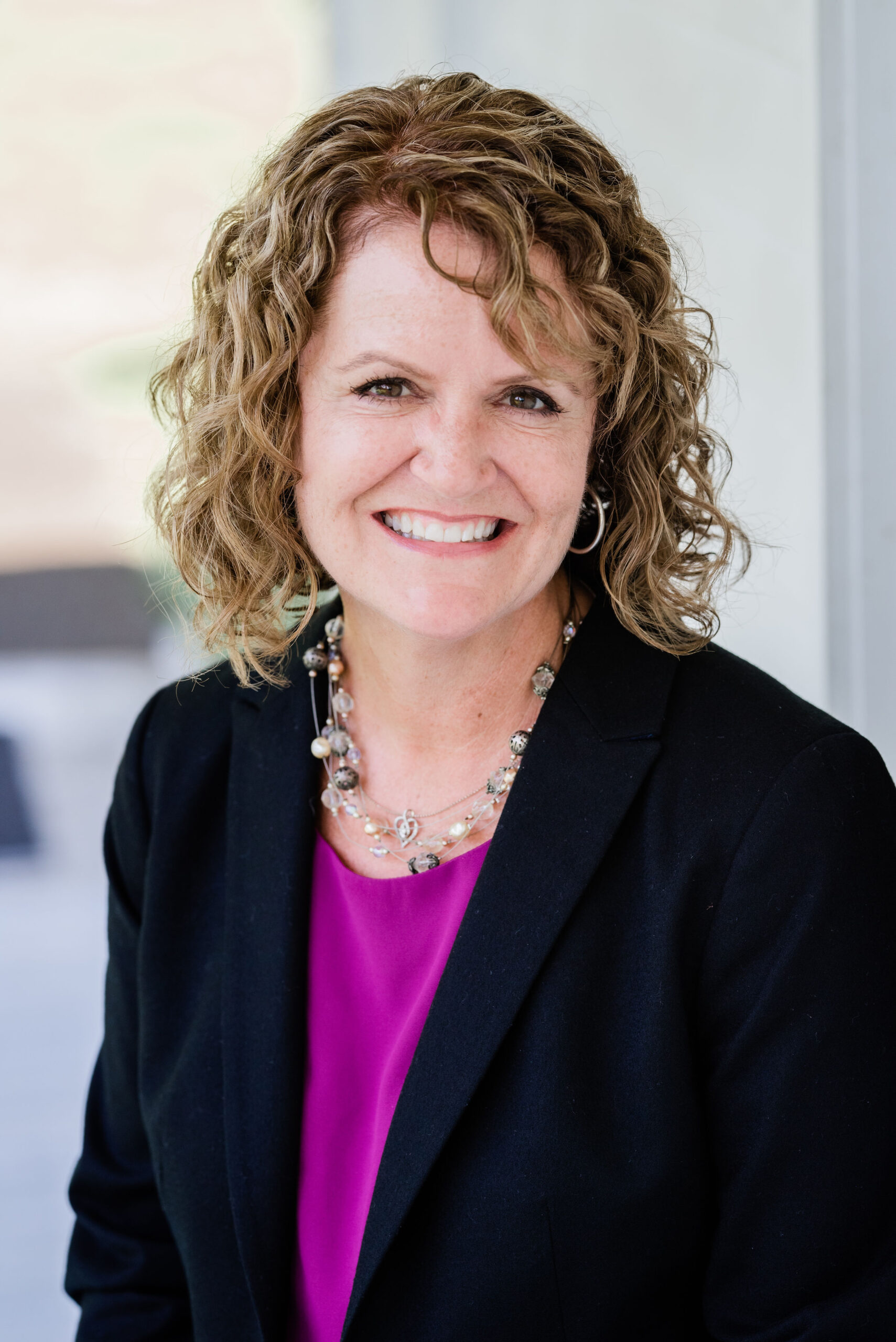

Kim Parker-Llerenas
The core members of the Association are made up of the nine Executive Directors from each region.
The Oregon Workforce Partnership (OWP) is comprised of over 200 community leaders representing business, education, workforce, and elected officials from Oregon’s nine Local Workforce Development areas. These nine areas support locally-driven decisions and programs. Oregon has an integrated one-stop service delivery built on a standardized model to provide a flexible, unified workforce education and training system that consistently exceeds customer expectations. Both state and local workforce boards are committed to keeping Oregon business and industry competitive in the global economy.
Oregon is part of the workforce development system that is funded by the Workforce Innovation and Opportunity Act (WIOA) which authorizes more than 550 local business-led workforce development boards that serve all fifty states, Puerto Rico, and the U.S. Territories to oversee workforce development services through a network of approximately 3,000 American Job Centers (also called One-Stop Career Centers).
Through WIOA, local civic, business, and workforce development leaders develop strategies that leverage funding and resources within their local communities to prepare and match the skills of workers with the workforce demands of businesses.
Select a county to visit its Local Area Board website.

Role of Workforce Development Boards
The role of workforce development boards is vital in economic growth and societal progress. At the heart of this endeavor lie workforce boards, organizations dedicated to aligning the needs of employers with the skills and aspirations of workers. In this article, we delve into why workforce boards are recognized as experts in workforce development and explore the methodologies they employ to foster a thriving workforce ecosystem.
Responding to Needs
Building and sustaining the skilled workforce needed to support a thriving community takes broad partnerships, creative thinking, smart policies and innovative solutions tailored to the specific workforce needs of people and businesses. Oregon’s Local Workforce Boards manage resources to fund programs and build partnerships that help get and keep people working. We maximize investments to build a workforce that meets the needs of key industry sectors and creates opportunity for those who need it most. We are committed to building a public workforce system that is accessible and effective for all. Our strongest asset is our network of partners. We bring together employers, labor groups, government, community colleges, high schools, community-based and economic development organizations, creating a network of collaborators you can’t find anywhere else. By working together, our economy grows, our pool of homegrown talent grows, and our competitive edge grows.